Gingerol
Gingerol is the warming, peppery compound that gives fresh ginger its characteristic heat and much of its renown as a folk remedy. Chemically a cousin of
Gingerol is the warming, peppery compound that gives fresh ginger its characteristic heat and much of its renown as a folk remedy. Chemically a cousin of

Tempeh is what happens when whole soya beans are bound together by a friendly fungus into a firm,

Wholewheat pasta is simply pasta made from the entire wheat kernel rather than the stripped-down white flour, and

Barley is one of the oldest cultivated grains in the world, and it remains one of the most

Kidney beans are among the most versatile pulses in the kitchen, delivering a satisfying combination of plant protein

Pinto beans are the speckled, creamy beans at the heart of Mexican cooking, mashed into refried beans and
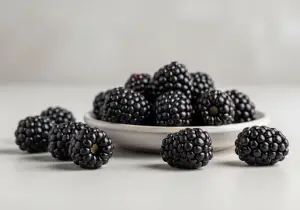
Blackberries are one of the darkest, most antioxidant-rich berries you can pick, and that deep purple-black colour is
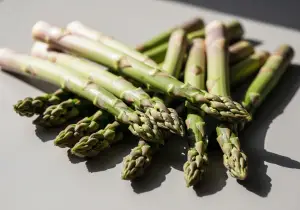
One of the most nutrient-dense vegetables per calorie, asparagus supplies folate, vitamin K and inulin prebiotic fibre for gut and heart health.
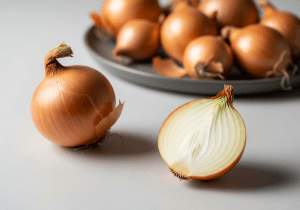
Onion is the quiet foundation of cooking the world over, and beneath that everyday role sits a surprisingly
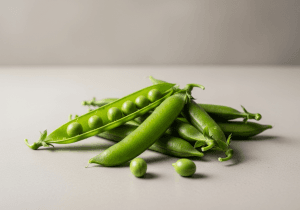
Green peas — the garden peas most of us grew up shelling or tipping frozen into a pan
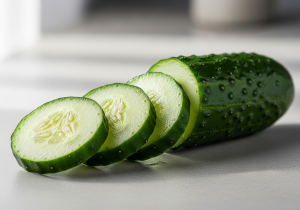
Cucumber is 95% water with silica and potassium, useful for hydration, skin health and gut regularity.
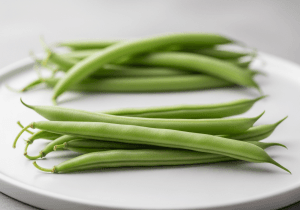
Green beans are a low-calorie vegetable with high fibre, vitamin K and folate for gut and heart health.