
Grapes
Grapes are one of the oldest cultivated fruits, and their appeal goes well beyond being a convenient sweet
Grapes are one of the oldest cultivated fruits, and their appeal goes well beyond being a convenient sweet
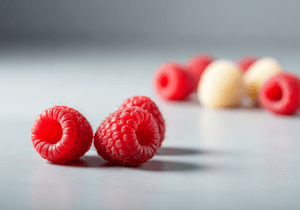
Raspberries are one of the most fibre-rich fruits you can eat — those little hollow drupelets are essentially
Anthocyanins are the pigments behind blueberries, black beans and pomegranate — among the most studied polyphenols for vascular and cognitive health.
Formed when cruciferous vegetables are chopped or chewed, sulforaphane is one of the most intensively studied plant compounds in prevention research. Values are given as its…
Quercetin bridges two of our niches: a heart-friendly flavonol that also calms the mast-cell histamine release behind many sensitivity symptoms.
Curcumin is the active fraction of turmeric — only about 3% of the spice by weight, which is why concentration and absorption matter so much.
High-sensitivity C-reactive protein is a sensitive marker of low-grade systemic inflammation linked to cardiovascular and metabolic risk.
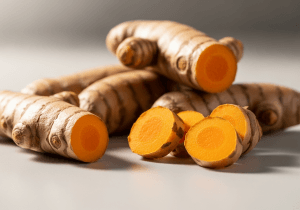
Curcumin is the most studied natural anti-inflammatory compound outside of drugs, but bioavailability is poor without black pepper and fat.
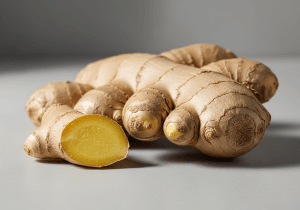
Ginger’s active compounds — gingerols, shogaols and paradols — are among the best-studied plant anti-inflammatory agents, with strong nausea evidence.
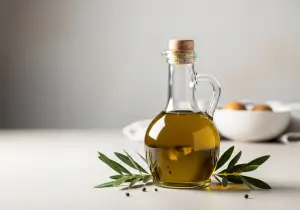
The cornerstone fat of the Mediterranean diet, with monounsaturated fat and polyphenols supported by the PREDIMED trial.
Over ten weeks, a diet high in fermented foods such as yogurt, kefir and kimchi steadily increased gut microbiome diversity and lowered 19 of 93 inflammatory proteins measured in blood. These were secondary results: the trial’s primary immune measure did not change on either diet.
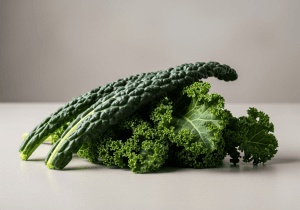
The poster child of leafy greens for a reason: one 100 g serving of kale exceeds a full day of vitamin K and delivers…